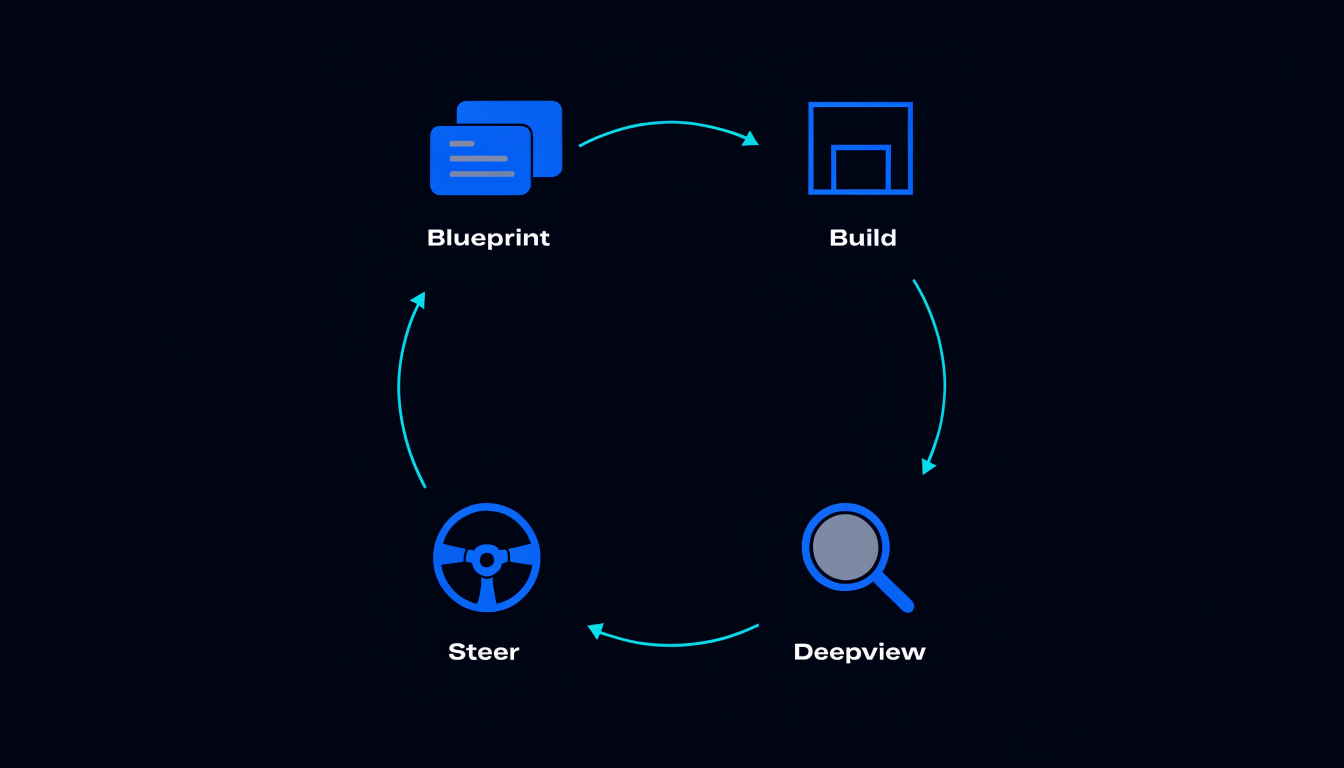
The Agent Review Loop: Blueprint, Build, Deepview, Steer
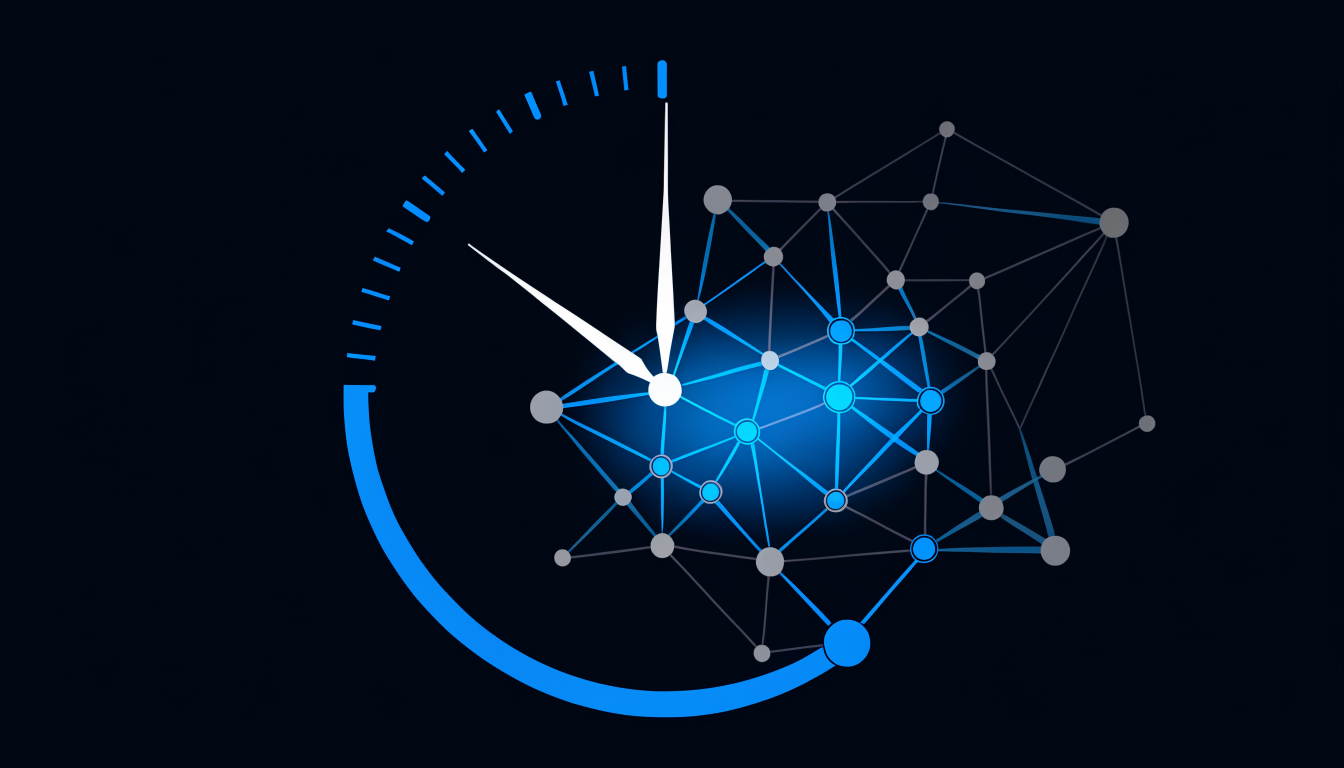
Supervising a long AI build is a loop, not a vibe. Plan on the Blueprint, check structural health each session, steer with annotations.
Read →How governed understanding gets derived rather than certified by hand or inferred by a model, what blast radius measures, and why the model has never seen your source.
Supervising a long AI build is a loop, not a vibe. Plan on the Blueprint, check structural health each session, steer with annotations.
Read →Draw the system on a canvas, tag every shape by type, then share it with your AI and let it build from your picture. No codebase needed.
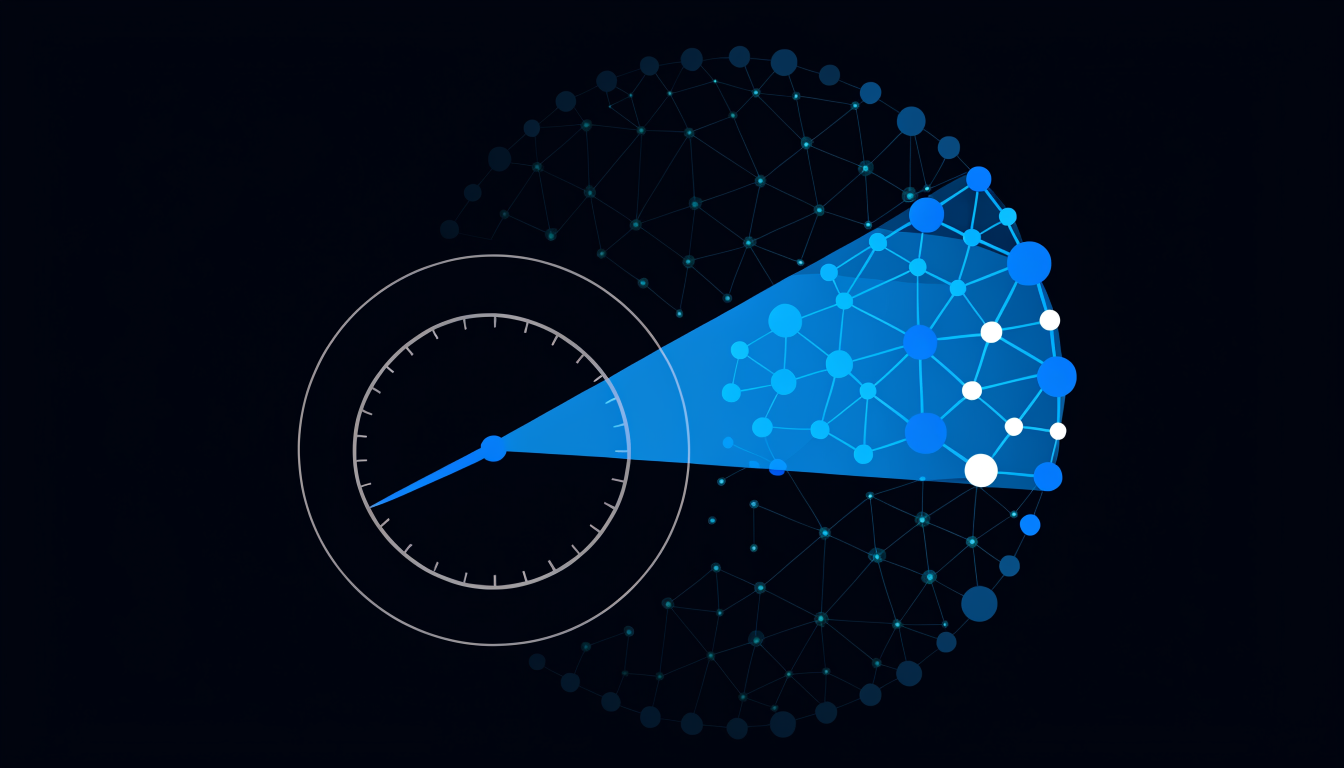
Read →Red means blast radius: change here and things break elsewhere. Violet means blindspot: looks minor, reaches far. Both invisible in review.
Read →Find code that means X, or find code that connects to Y. Semantic search answers the first, structural the second. Conflating them costs.
Read →Dependency tools hand your AI a subway map. Spiderbrain circles the broken tracks in red. Scoring is what makes a graph actionable.
Read →Dumping all project memory into every AI session burns tokens and dulls answers. Recall scoped to the files being edited fixes both.
Read →Dynamic imports and duck typing make Python hard to analyse statically. How a structural graph handles it, and what grep and LSP miss.
Read →MCP tools can serve facts or directives. Spiderbrain serves only facts. Why that line is a security architecture, not a style preference.
Read →Most refactors break something they never meant to touch, because nobody saw the dependency graph first. The graph-first approach.
Read →Spiderbrain uploads a source-free graph, never file content. What a network trace of a real session actually shows, packet by packet.
Read →Every graph tool shows your AI how files connect. None say which connections hurt. Webscore and spikescore turn a map into a verdict.
Read →Vibe coding ships fast and banks structural debt faster. The gap between what the agent built and what you understand, and how to close it.
Read →Agents write most of the code now. What they cannot give you is the picture: what got built, what it touches, why it was decided that way.
Read →Three ways to read one codebase. Web for dependencies, Map for topology, Flow for architecture. Each answers what the others cannot.
Read →CrossCodeEval is the best-shaped benchmark for cross-file context in TypeScript. What it reveals, and where its method has gaps.
Read →Most post-mortems name the same cause: a high-blast-radius change with no tests on the callers. A graph shows that pairing before deploy.
Read →Every AI session starts cold: no memory of the last one, no past decisions, no constraints. The real cost of amnesia, and what fixes it.
Read →Bigger context windows do not make AI coding more accurate. Relevant context does. Compute which files belong in the window, per task.
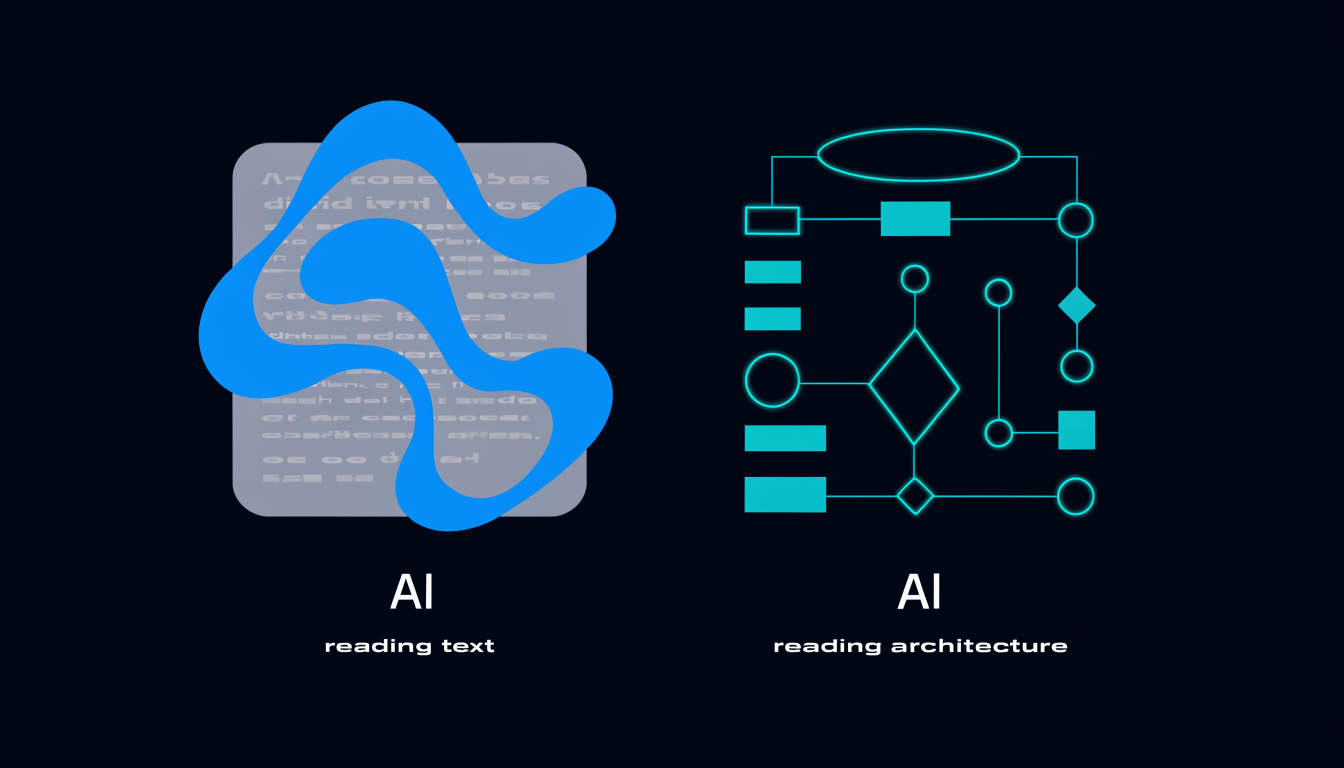
Read →A prompt describes a system. A blueprint shows one. Relationships and types that prose leaves vague are explicit on a canvas.
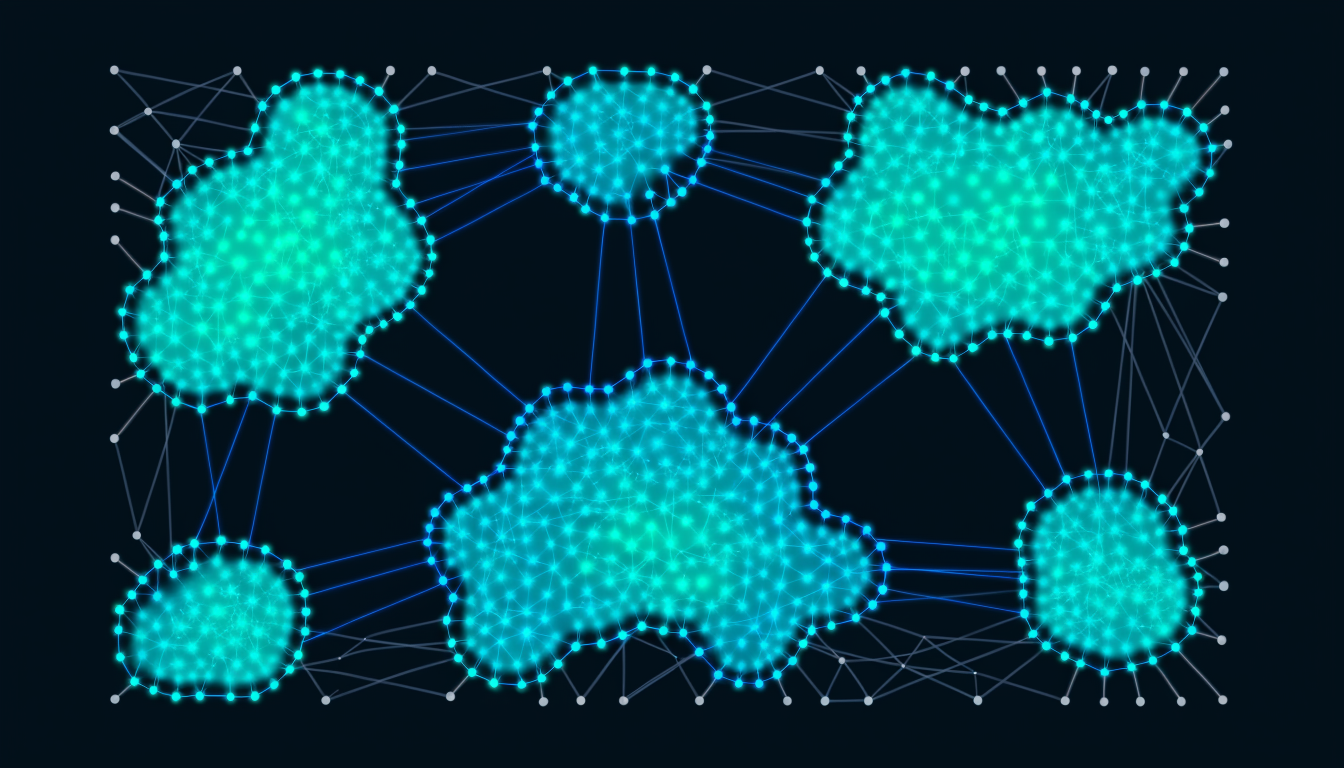
Read →Your codebase has communities: clusters of tightly coupled code that rarely match your org chart. Finding them changes how you refactor.
Read →Week one on a new codebase is expensive for everyone. A code graph turns it into a morning by answering what documentation never can.
Read →One hosted MCP connection gives Claude, Cursor and any MCP client 28 Spiderbrain tools. No local server, no glue code, no per-client setup.
Read →Leave a note on any memory. Your AI reads it next session, applies it, resolves the note. Steering without starting a new conversation.
Read →The AI built it, it works, and you do not recognise the architecture. The audit that rebuilds your mental model from the graph.
Read →A blindspot file is barely imported but reaches half your system. Reviewers skip it, agents underrate it, then it headlines your post-mortem.
Read →Blast radius is how many modules one change can break. Every codebase has it. Almost no tool shows it. The number to check before you merge.
Read →Inherited an undocumented codebase? Spiderbrain reads the real import graph and draws the architecture from the code, not from the README.
Read →Your AI reads files. Your codebase is a graph, not a folder. That gap is why it invents dependencies and misses blast radius entirely.
Read →Structural drift is a codebase outgrowing its architecture. Track it commit by commit: shifted communities, new callers, docs left behind.
Read →Markdown and code comments become a navigable layer of the code graph, tied to the nodes they describe and never out of step with the code.
Read →Uploading source to the cloud is a compliance problem. The source-free brain gives you full graph intelligence without exposing code.
Read →A tour of the 23 MCP tools Spiderbrain serves: 11 for the codebase, 9 for memory, 2 for blueprints and 1 that reports which brain you are connected to. Which ones to reach for first.
Read →A code graph that answers differently each run is not a foundation. Why reproducibility is the moat, and what it makes possible.
Read →Save a file and see exactly which downstream files could now behave differently. Not every importer. The ones that actually change.
Read →Every codebase has keystones: the files where an incident costs most. Not the most imported, not obvious from the folders. Spikescore finds them.
Read →Vector search finds code that looks like your query. Graph traversal finds code wired to it. Which to reach for, and when you need both.
Read →