Every AI coding assistant suffers the same fundamental limitation: it sees your files, not your architecture. Paste a function in, get an answer back, but the answer is grounded in text, not in the structural reality of your codebase. The difference matters more than most teams realise.
What "seeing your codebase" actually means
When an AI assistant reads auth/middleware.js, it processes 300 lines of text. It does not know that this file is imported by 23 other modules, that four of those modules are in a service your team deprecated last quarter, or that one of its callers lives in a critical payment path with 99.9% uptime requirements.
That missing context is not a prompt engineering problem. It is a data model problem. Text-in-context is a flat representation of a fundamentally graph-shaped reality.
The graph your code already is
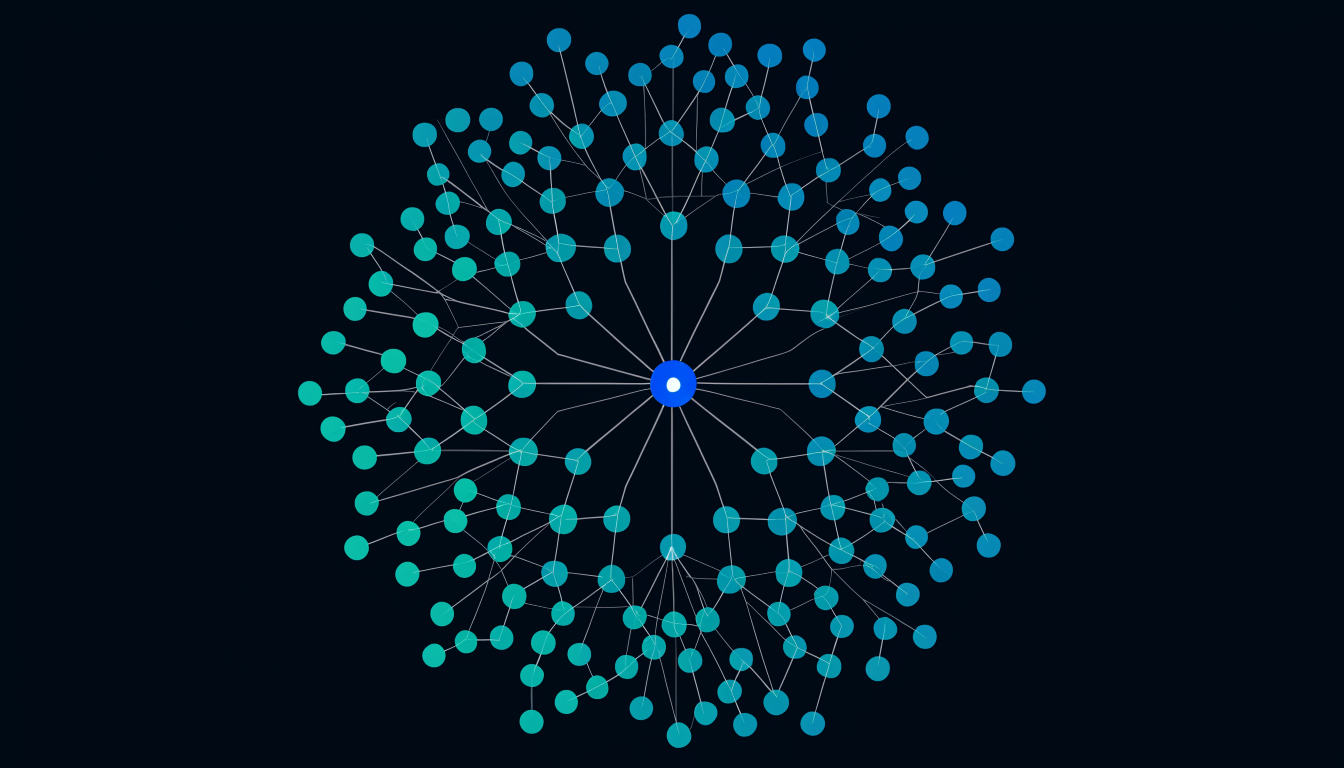
Every codebase is a directed graph: functions call functions, modules import modules, classes extend classes. This graph encodes more information about your system than any single file does. It tells you:
- Which changes are safe to make in isolation
- Which files are load-bearing (high in-degree, critical path)
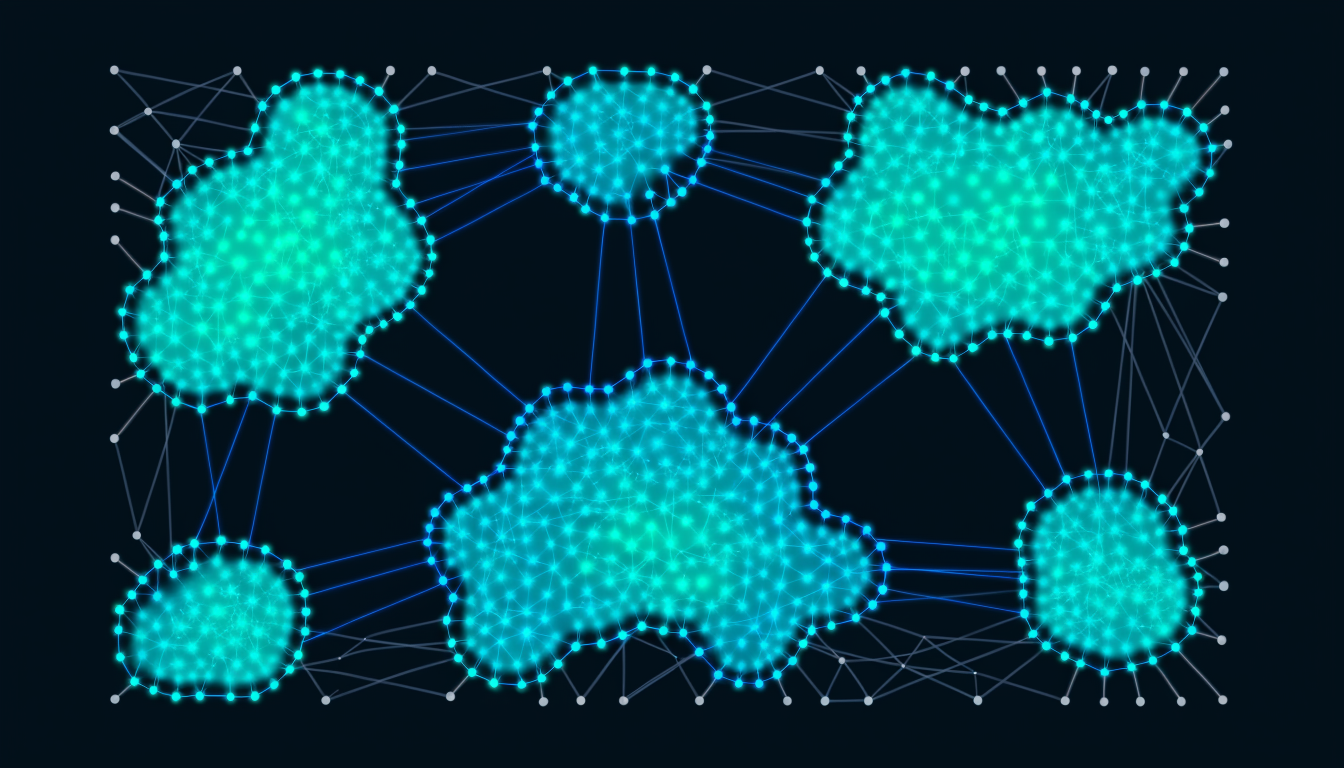
- Which modules form coherent communities (and which are tangled)
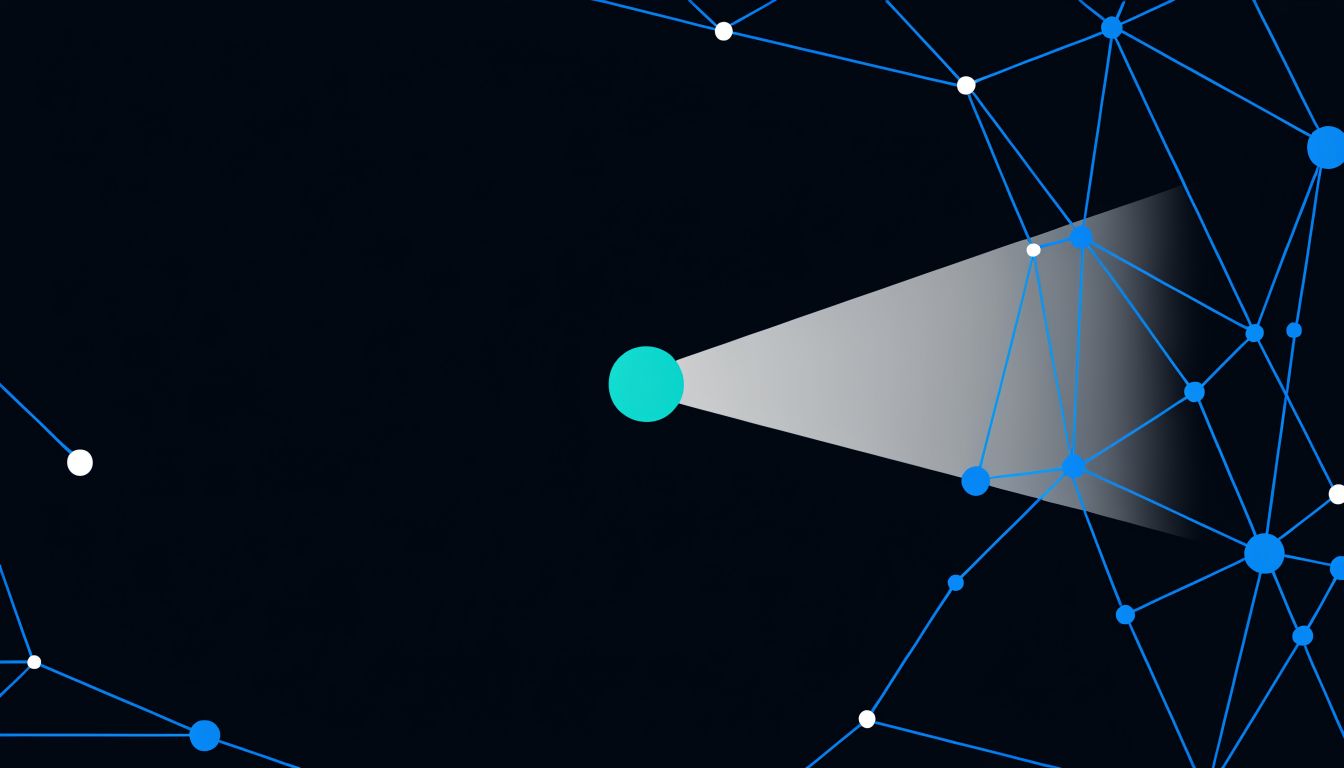
- What the blast radius of any given edit looks like before you make it
Why context windows don’t fix this
You can stuff more files into a context window. This helps, but it scales linearly with cost while the graph structure of your codebase scales exponentially with size. A 100-file context window is still a flat list, relationships between those files are invisible unless you reconstruct them manually in your prompt.
A deterministic context layer pre-computes all of that structure once and makes it queryable in milliseconds.
What determinism buys you
Probabilistic models guess. They are extraordinarily good at guessing, but they guess. A deterministic graph traversal is not a guess. When Spiderbrain tells you that auth/middleware.js has a blast radius of 23 modules, that answer will be the same answer tomorrow, next week, and after the next refactor that touches an unrelated file.
This reproducibility is the foundation of governed understanding. You can audit it. You can track it over time. You can build deployment gates on it.
The practical gap
In practice, this gap shows up in three places:
- Dependency hallucination, the assistant confidently tells you a function is safe to modify, but it hasn’t seen its callers
- Missing blast radius, you rename a utility and break three services you didn’t know depended on it
- Context rot, the files you pasted last week don’t reflect the code that shipped today
A code graph built at commit time eliminates all three. It knows the exact state of your codebase at the moment that matters, before you merge.