Vibe coding is real and the results are genuinely impressive. A motivated engineer with Claude Code or Cursor can ship a working feature in an afternoon that would have taken a week without AI assistance. The capability gain is not marginal, it is structural.
But there is a gap that opens in the vibe coding workflow that nobody talks about clearly enough: the supervision gap. The agent builds faster than the engineer understands what was built. And what you don’t understand, you can’t safely change, review, or extend.
What the supervision gap looks like
You start a session with a clear intent: "add authentication to the API." Three hours later, the agent has:
- Added JWT validation middleware
- Created a user model
- Added a database migration
- Wired up refresh token rotation
- Added three new dependencies
- Refactored the route structure to accommodate auth guards
- Modified the error handling in four existing route handlers
Each of those changes is individually reasonable. Together, they represent a significant architectural shift that you witnessed in fast-forward.
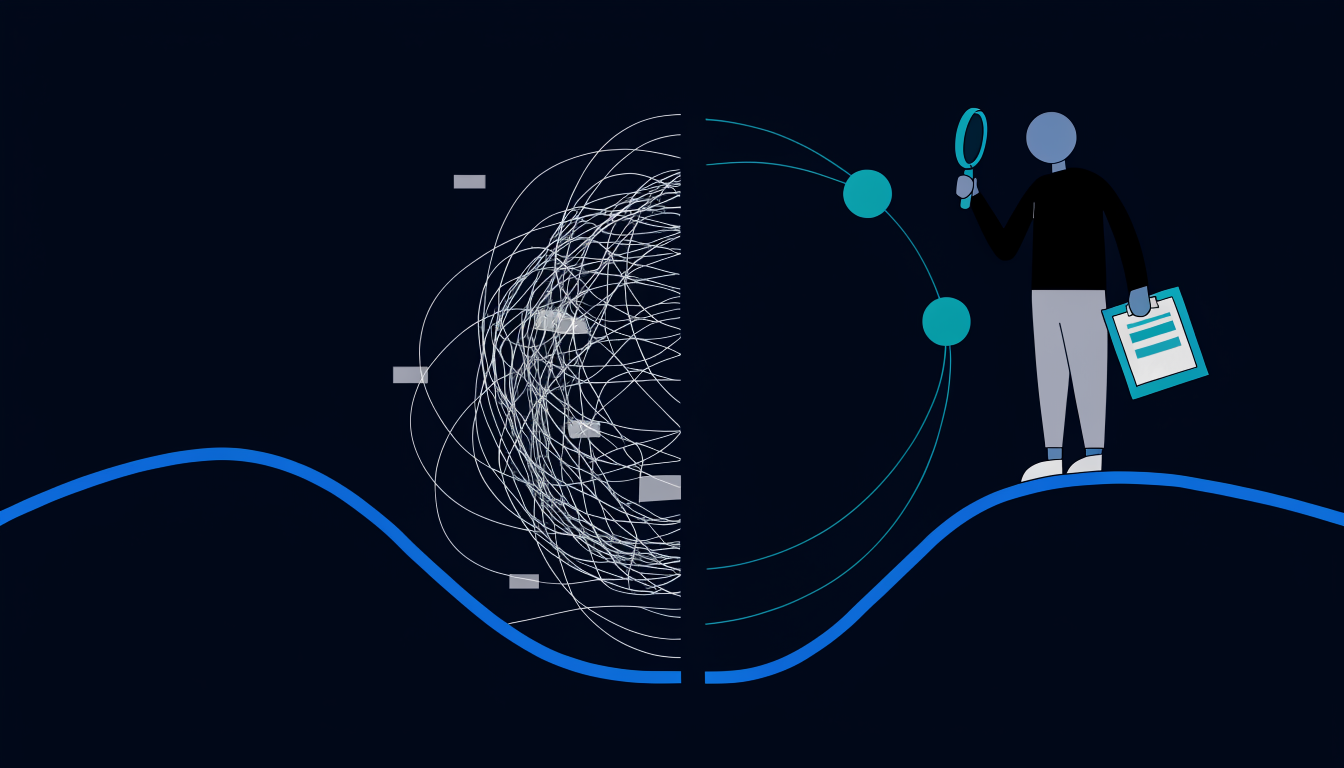
The supervision gap is the distance between "I understand what I intended" and "I understand what was built." In vibe coding, this gap opens fast and widens with every session.
Why the gap is dangerous
The supervision gap is not just an intellectual discomfort. It has concrete operational risks:
Unknown blast radius: you don’t know which files the agent touched that you didn’t notice. The next change you make might collide with something the agent added two sessions ago.
Invisible architectural drift: the agent may have made structural decisions that made sense locally but compound badly across sessions. A utility it added in session 1 became a keystone by session 4 because five other things imported it.
Review surface for your team: if you can’t explain what was built, you can’t write a useful PR description. Your reviewers are working without context.
AI context reset: the next session starts cold. The agent doesn’t remember the decisions it made in the last session. If you don’t have a structured memory of those decisions, they might be contradicted in the next build.
Deepview as the gap-closer
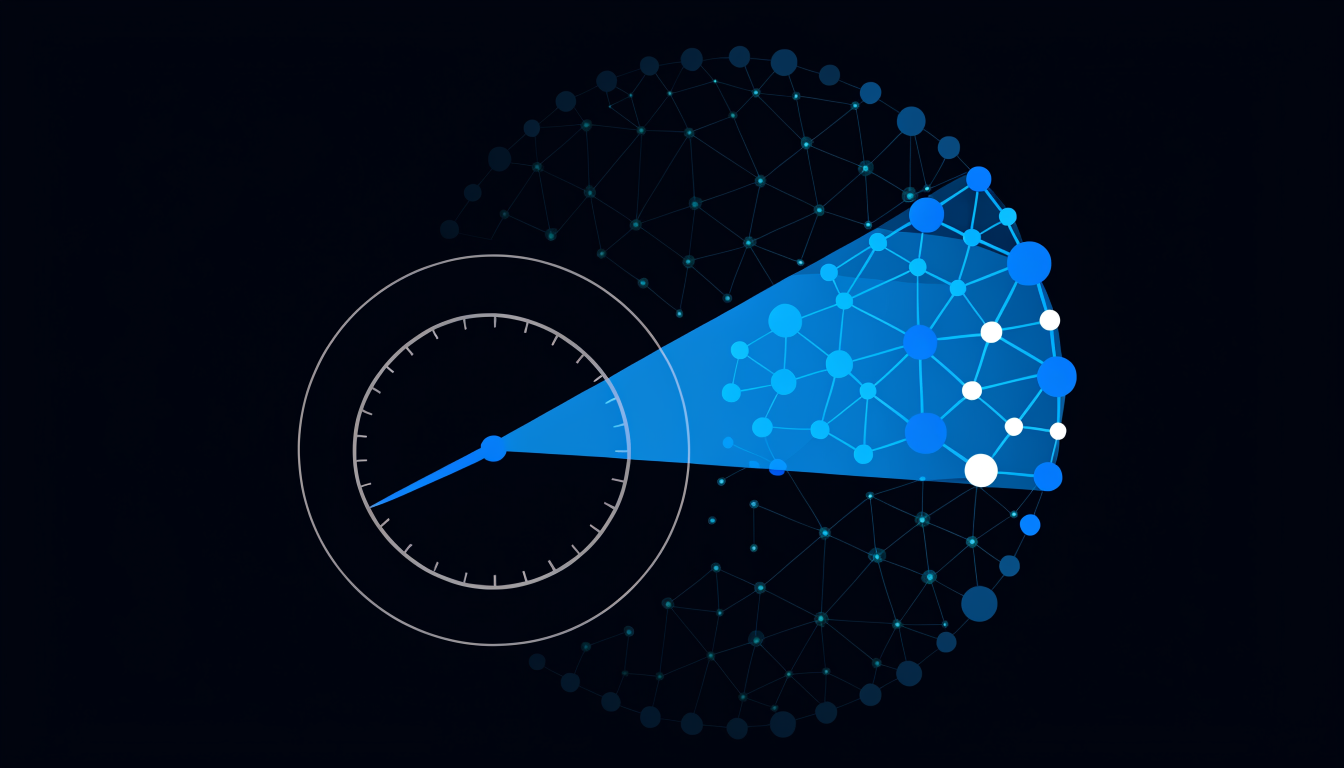
Opening Deepview after a vibe coding session gives you structural visibility on what was built, not by reading diffs, but by reading the graph.
The post-session Deepview workflow:
- Check the community partition: did anything join a new community?
- Check spikescore changes: did any file become significantly more central?
- Check new boundary edges: did the agent add any cross-community dependencies?
- Check the live alert history: which files were flagged during the session?
This review takes 5, 10 minutes. It tells you the structural story of the session, not the implementation story (that’s what code review is for), but the architectural story: how the graph changed.
Memory Tree as the gap-preventer
The supervision gap is partly closed after the fact by Deepview. It is partly prevented before the fact by the Memory Tree.
When the agent works from a well-maintained Memory Tree, it makes architectural decisions that are grounded in the project’s established constraints. "No direct database calls from controllers." "Use the team’s error wrapper type." "This module owns auth; routing concerns live in the middleware layer."
These constraints reduce the range of architectural drift the agent can produce. Not to zero, the agent can still make novel decisions that aren’t covered by existing memories, but to a manageable surface.
Post-session, the decisions worth preserving become new Memory Tree nodes. The gap-prevention is cumulative: each session adds to the constraints the next session works from.
The vibe coding floor
The productive way to think about this is not "slow down the agent" but "raise the floor." A vibe coding workflow with Deepview reviews and Memory Tree maintenance produces a higher-quality structural output than one without, not because the agent is slower, but because the supervision gap is actively managed.
The agent builds fast. You stay in command of what it built. Both things are true simultaneously.