The question asked anxiously in 2023, "will AI replace software engineers?", has resolved into something more interesting by 2026. AI coding agents write most of the code in the teams that use them seriously. And the engineers who use them most effectively are doing something different than what engineers did before: they are not typing less code, they are commanding more structure.
The job that emerged is mission control.
What mission control means
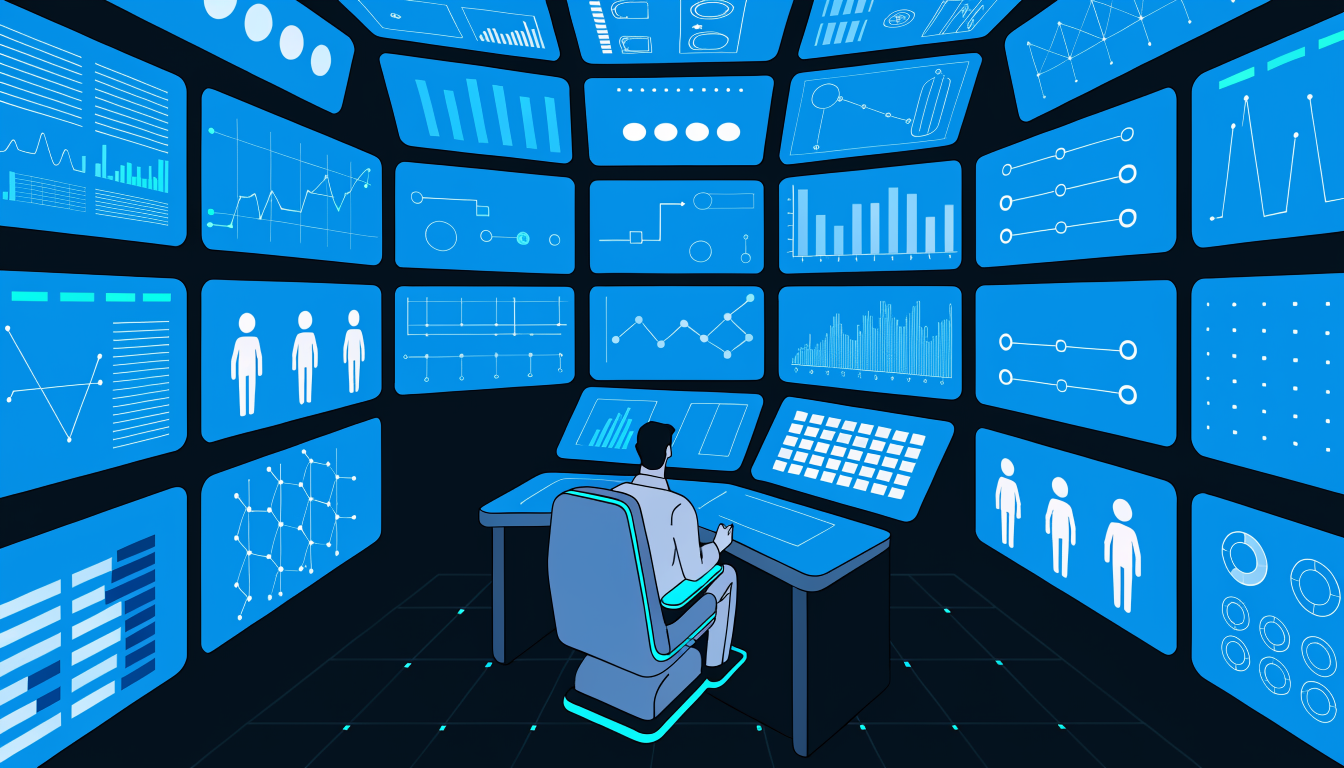
In the original usage, mission control is the team that does not fly the spacecraft but is responsible for the outcome of the mission. They plan the trajectory, monitor the telemetry, and intervene when the vehicle drifts from course. The spacecraft executes; mission control commands.
This is the right mental model for senior engineers working with AI coding agents in 2026.
The AI executes. It writes functions, wires up components, writes tests, refactors, and ships at speed. Mission control, the engineer, plans the architecture, watches the telemetry (Deepview), and steers when the agent drifts.
The three non-delegatable jobs
There are exactly three jobs in the mission-control model that cannot be delegated to the AI agent:
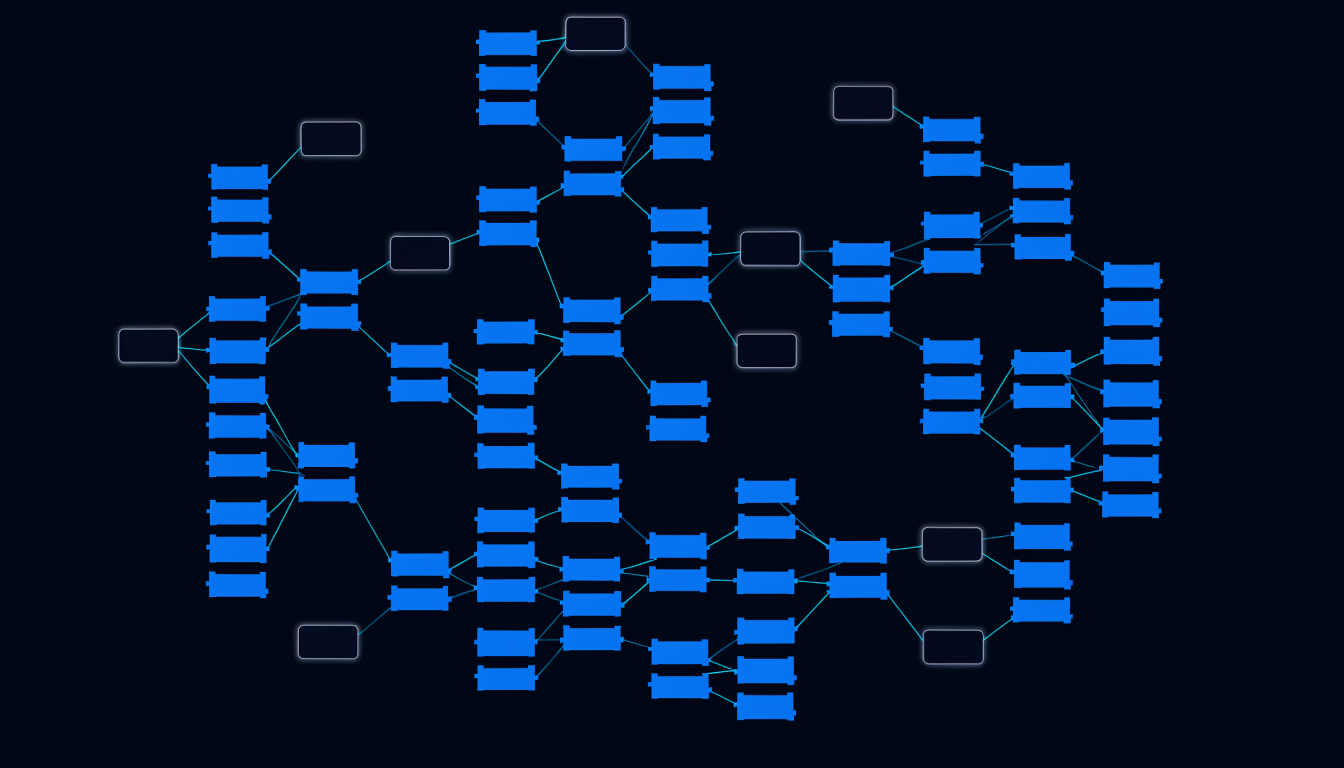
Plan: the agent builds what it is told to build, but it cannot tell you what the system should be. Architectural decisions, what components exist, how they relate, where the team boundaries are, what the product should become, require human judgment. The blueprint is the artifact of planning. The engineer holds the pen.
Watch: the agent cannot tell you whether what it built is structurally sound. It knows the code it wrote; it does not know how that code’s position in the graph has changed, whether it inflated a keystone, or whether it crossed a community boundary it shouldn’t have. Deepview is the telemetry. The engineer reads it.
Steer: the agent cannot self-correct across sessions without persistent memory. It starts each session cold and makes decisions from scratch. The Memory Tree is the institutional memory that keeps the agent building in the right direction. The engineer maintains it.
Why these jobs compound in value
As AI coding agents become more capable, each of these three jobs becomes more valuable, not less.
Plan becomes more valuable because a more capable agent can execute more complex plans, which means the quality of the plan determines more of the outcome than it did when the agent could only handle simple tasks.
Watch becomes more valuable because a more capable agent makes more decisions per session, each of which might be architecturally significant and require structural verification.
Steer becomes more valuable because a more capable agent that is going in the wrong direction compounds the error faster. Precise steering of a capable agent is more important than precise steering of a limited one.
The pattern: agent capability amplifies both the upside and the downside of human oversight quality. Mission control becomes the multiplier.
What this means for the engineering career
The engineering skills that are declining in value with AI agents: mechanical code production, boilerplate, routine refactoring, standard API wiring. These are tasks where agents are already faster and often more reliable.
The skills that are increasing in value: architectural judgment, structural risk assessment, system design, the ability to read a codebase structurally and understand what is healthy and what is not.
This is not a consolation reframe. Senior engineers who develop genuine architectural judgment are in higher demand in 2026, not lower demand, because good architectural decisions multiply through an AI-assisted team more than they did through a purely human team.
Spiderbrain’s role in mission control
Spiderbrain is the instrument panel for mission control. Blueprint is where you plan. Deepview is where you watch. Memory Tree is where you steer.
None of these surfaces do the engineering for you. They give you the information you need to do it well, faster, with better coverage, and with a structural record that survives the pace of AI-assisted development.
Mission control is the job. Spiderbrain is the instrument panel.